Cat bite infection symptoms develop fast – typically within 24 to 48 hours after the bite. These bites might look less severe than other animal bites, yet they cause infections in 30-50% of cases. Medical professionals treat 50% to 80% of cat bite cases that become serious.
Many people don’t realise the potential dangers of cat bites. The United States reports about 400,000 cat bites annually, and research shows children face a 50% infection risk. The infections can spread throughout the body and cause septicemia (blood poisoning) that needs immediate hospitalisation. In this piece, we’ll explore the key warning signs of infected cat bites, the right time to get medical help, and proper bite wound care to avoid complications.
Table of Contents
Why Cat Bites Are More Dangerous Than They Seem

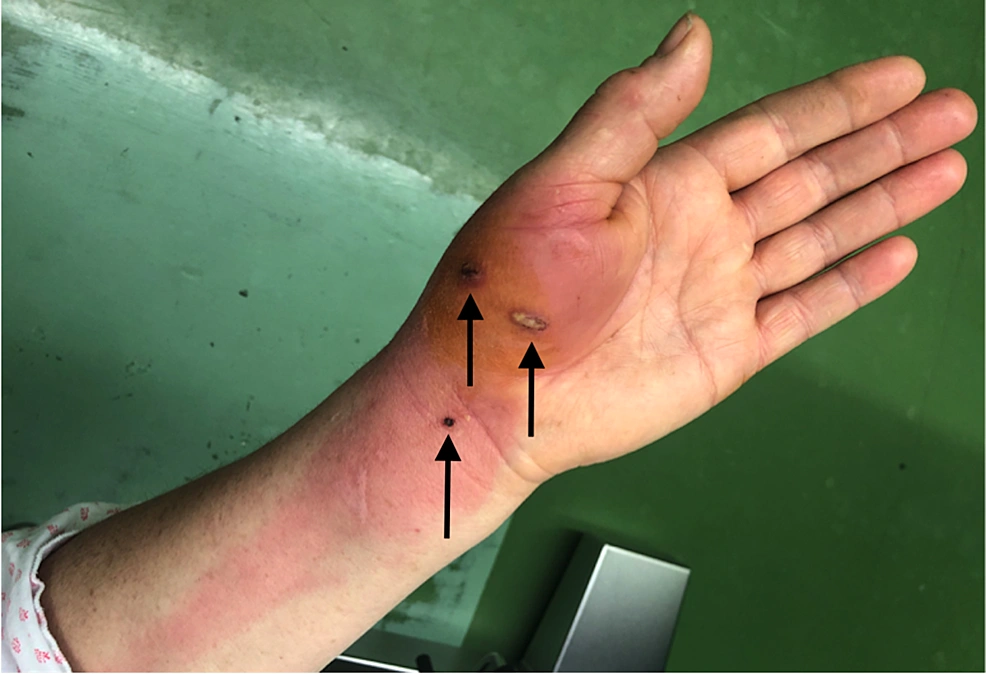
Image Source: The Cureus Journal of Medical Science
People often brush off cat bites as nothing serious. But these small wounds can be dangerous, and you should get them checked right away. Let me tell you why these tiny punctures shouldn’t be ignored.
Sharp teeth and deep punctures
Cats have special teeth that work just like needles. Their long, thin, and super sharp canines push bacteria deep into your tissues. These teeth make narrow but deep wounds that can reach your joints, tendons, and other vital parts.
The real danger comes from how these wounds heal. Cat bite holes seal up quickly and trap bacteria under your skin. This sealed space becomes the perfect spot for bacteria to grow faster with little resistance from your immune system.
A Mayo Clinic study showed that cat bites to the hand are so risky that 1 in 3 patients ended up in the hospital. The study also found that 38% of hospitalised patients needed surgery to clean the wound and remove infected tissue.
Bacteria in a cat’s mouth
Your cat’s mouth contains many bacteria that can cause bad infections. Pasteurella multocida tops the list – this aggressive bug lives in 70-90% of cats. It causes infections quickly, usually within a day.
You’ll find other dangerous microorganisms in cat mouths, too:
- Streptococci and Staphylococci bacteria
- Bartonella henselae (causing cat scratch disease)
- Capnocytophaga bacteria
- Neisseria and Moraxella species
These infections move fast, and that’s what makes them scary. Most infections take 2-3 days to show signs, but cat bite infections can show up in just 12-24 hours. These infections “tend to progress quite quickly” once they take hold.
Read More: Why Does My Cat Lick Me? A Vet Explains The Hidden Meaning
Why infections are common
Cat bite infections happen so often because several things work together. The deep punctures push bacteria past your skin’s defences straight into vulnerable tissue. These tiny wounds seal up fast and trap bacteria where there’s little oxygen – a place where certain germs love to grow.
Where you get bitten matters a lot. Hand bites are really dangerous because bacteria can easily get into joints, tendons, and small spaces where antibiotics and your immune system can’t reach them. That’s why even a tiny “pinpoint bite mark” can turn into something serious.
Studies show that cat bites get infected about 50% of the time in kids, making them nowhere near as harmless as they look. Cat bites cause three-quarters of all infected animal bites.
Your risk goes up if you have diabetes, a weak immune system, are older, or wait to get treatment. The worst cases can lead to septic shock, where 25% to 60% of people don’t survive.
People often wait too long to get help because these injuries look so minor at first. One ER doctor said, “It’s not ‘gosh I wonder if this is getting infected.’ It’s relatively dramatic,” with red lines often running up arms and legs. Despite that, many people wait too long because cat bites look so much smaller than other animal bites.
You should take every cat bite seriously and get medical help quickly, especially if it’s on your hand.
8 Warning Signs of a Cat Bite Infection

Image Source: Clearvue Health
You need to spot cat bite infection signs early because they can quickly turn from a minor issue into a serious medical emergency. These infections usually show up within 12 to 24 hours after the bite. Watch the wound carefully during this time.
1. Redness that spreads
The bite area will show more than just a small red mark at the puncture site. You’ll notice redness (erythema) that grows and spreads outward over time. The skin might also change to other colours, which could mean the infection is getting worse.
2. Swelling that doesn’t go down
A bit of swelling right after the bite is expected. The infection might be setting in if the swelling stays or gets bigger. The infected area looks puffy and bigger than the skin around it. This happens because your body sends white blood cells to fight off bacteria.
3. Warmth around the bite
The infected spot will feel warmer than the skin nearby. Your body pumps more blood to the area to fight the infection, which creates this extra warmth. The hot spot usually comes with redness and swelling, so if the bite area feels hot when you touch it, you likely have an infection.
4. Pus or fluid leaking from the wound
White, yellow, or other colored thick fluid coming from the bite is a clear sign of infection. This discharge often smells bad and shows your body is fighting bacteria. Sometimes the wound forms a blister that breaks and starts draining.
5. Fever or chills
Your body might react with fever, chills, or night sweats if the infection spreads beyond the bite. A fever shows your immune system is working harder to fight back. These symptoms usually show up 3-14 days after the bite and point to more serious infections.
6. Pain that gets worse
The bite will hurt at first, but pain that intensifies or spreads means you have an infection. The pain might throb or become so intense that it limits your movement, especially near joints. You should see a doctor if the pain increases after 24-48 hours.
7. Swollen lymph nodes
The lymph nodes closest to where you got bitten might swell and become tender within two weeks. Your lymphatic system does this while filtering out bacteria and infection. These swollen nodes show up in your neck, armpit, or groin, depending on the bite location.
8. Red streaks near the wound
Red streaks moving away from the bite are the most concerning sign. These streaks mean you have lymphangitis – the infection is moving through your lymphatic vessels. Get medical help right away because the infection might be entering your bloodstream.
Cat bite infections can turn dangerous in just a few days. Most people see symptoms within 24 hours (70% of cases) or 48 hours (90% of cases). Cat bites rank as the second most common mammalian bite and cause three-quarters of bites that get infected. Knowing these warning signs helps prevent serious problems.
Diseases You Can Get from a Cat Bite
Cat bites can transmit several specific diseases beyond general wound infections that lead to serious complications. This knowledge helps you decide the right time to seek medical attention.
Pasteurella multocida
70-90% of cats’ mouths contain this aggressive bacterium, making it the most common organism found in cat bite wounds. The infection develops faster, usually within 3-6 hours after a bite. The bite site shows swelling, redness, and pain. The condition can worsen into cellulitis or abscesses without treatment.
Pasteurella can cause septicemia, meningitis, endocarditis, and peritonitis in severe cases, especially when you have a compromised immune system. One-third of septicemic patients were healthy individuals before infection, which shows that serious complications aren’t limited to those with weak immunity.
Cat scratch disease (Bartonella henselae)
This bacterial infection, also known as “cat scratch fever,” spreads through scratches from domestic or feral cats. Kittens pose a higher risk. Cats spread the bacteria through scratches contaminated with flea faeces or through bites.
The symptoms show up 1-3 weeks after exposure and include low-grade fever and swollen, tender lymph nodes. Children under 15 years old get infected most often. The infection rates peak during the fall and winter months. The good news is that most infections clear up without treatment within 2-4 months.
Rabies from stray or feral cats
Rabies kills without treatment, though transmission happens rarely. Cats in the United States show higher rabies rates than dogs. Stray cats create greater risks because they lack vaccination.
The virus attacks the nervous system and kills all infected animals once symptoms appear. The post-exposure treatment works completely if started before symptoms show up. Modern rabies shots go in the arm, not the stomach, and feel just like flu shots.
Tetanus risk from deep wounds
Deep punctures from cat bites might introduce tetanus bacteria. This dangerous bacterial infection affects the nervous system and often proves fatal.
Tetanus bacteria can enter through tiny pinpricks or animal scratches, not just rusty nails. You might need a tetanus shot if your last one was over 10 years ago. Dirty wounds require vaccination if your previous tetanus shot dates back 5 years or more.
Rare fungal infections like sporotrichosis
Sporotrichosis, also called “rose gardener’s disease,” spreads through cat bites or scratches occasionally. South America, particularly Brazil, reports most cases, where cat-transmitted infections have reached epidemic levels.
Small, painless bumps appear 1-12 weeks after exposure. These bumps grow larger and look like slow-healing ulcers. Though the United States sees few cases, cat owners and veterinarians should watch for facial sores in cats.
What to Do Right After a Cat Bite

Image Source: wikiHow
Quick action after a cat bite is vital to prevent infection. The right first aid steps taken minutes after the bite can reduce your risk of serious complications by a lot.
Clean the wound with soap and water
You should wash the bite area really well with warm running water and mild soap for at least 5 minutes. This step helps remove bacteria from the wound. Don’t scrub too hard because it could damage tissue and slow down healing. Stay away from strong disinfectants, hydrogen peroxide, rubbing alcohol, or herbal preparations. These can harm your tissues and slow the healing process.
Apply pressure if bleeding
The bite might bleed. Apply direct pressure with a clean, absorbent dressing, gauze, or cloth. Keep steady pressure until bleeding stops. You need immediate medical care if excessive bleeding continues beyond 15 minutes. Try to raise the injured area above your heart level. This helps reduce blood flow to the wound.
Use antibiotic ointment
Clean the area and pat it dry gently. Apply an over-the-counter antibiotic ointment if you have one. Notwithstanding that, deep puncture wounds should not get ointment unless your doctor says so. These products might seal bacteria inside and make the infection worse in puncture wounds.
Cover with a sterile bandage
A dry, sterile bandage or dressing should cover the clean wound. This keeps additional contamination away while healing starts. Good bandaging needs multiple layers. Start with a non-adherent dressing touching the wound, then add protective outer layers.
Avoid sealing deep punctures too tightly
Cat bites often create puncture wounds. Don’t use tape or butterfly bandages that seal the wound completely. Sealed closures trap harmful bacteria inside, where infection grows easily. The cover should be loose enough for some drainage but still protect from outside contaminants.
Note that medical evaluation is essential for cat bites, whatever first aid steps you take. This is especially true for bites on hands or joints where infection risk runs highest.
When to See a Doctor Immediately
A cat bite requires immediate medical attention in specific situations. Most cat bite wounds heal without complications with proper treatment, but you need to know when to see a doctor to prevent serious health problems.
If symptoms appear within 24–48 hours
Cat bite infections develop fast, usually within 12-18 hours after the injury. You should watch for redness, induration, pain, or purulent drainage – these warning signs show that an infection has started. Outpatient antibiotic treatment fails in about 14% of cases. This is why you need a medical evaluation quickly once symptoms show up.
If the cat were a stray or unknown
You need immediate medical help if a stray or unknown cat bites you. These cats might carry rabies, and you’ll need rabies postexposure prophylaxis (PEP). The bite might seem minor, but reporting it helps health authorities decide if you need additional treatment.
If you haven’t had a tetanus shot in 5 years
A tetanus booster becomes necessary if your last shot was over 5 years ago, especially with dirty wounds like cat bites. Both immunoglobulin and vaccination become essential if it’s been more than 10 years. Tetanus bacteria can enter through the smallest pinpricks or scratches.
If the wound is near a joint or tendon
Bites over the wrist or any hand joint lead to higher hospitalisation rates. 30% of people who needed treatment for hand bites ended up in the hospital, and their average stays were more than three days. Bacteria thrive in joint-area bites.
If you have a weakened immune system
Cat bites pose serious risks to people with compromised immune systems. You need immediate care if you have diabetes, chronic illnesses, or take immunity-suppressing medications, regardless of your symptoms. Without treatment, severe infections can lead to sepsis in just 70 hours.
Conclusion
Cat bites pose a substantially underestimated risk to human health. These seemingly minor injuries can turn into serious infections faster, often within just 12-24 hours after the whole ordeal. Their needle-like teeth create deep punctures while aggressive bacteria like Pasteurella multocida thrive in wounds that seal quickly, making these bites especially dangerous.
You should watch for key warning signs – spreading redness, persistent swelling, increased pain, pus discharge, fever, and red streaks extending from the wound. These symptoms just need immediate medical care, especially when you have bites to the hands or near joints.
First aid measures help reduce infection risk. Notwithstanding that, they should never replace a proper medical evaluation. Medical professionals can determine whether antibiotics, tetanus boosters, or other treatments are needed based on your case.
In this piece, we’ve explored why cat bites deserve our respect and caution. Their 30-50% infection rate is nowhere near most other animal bites. On top of that, it can escalate from a simple wound to hospitalisation quickly, especially if you have underlying health conditions.
Your safety depends on quick recognition and response. Take every cat bite seriously, perform proper first aid right away, and get medical care promptly—especially for high-risk bites. While our feline friends bring joy to millions, their bites need our immediate attention to prevent life-threatening complications.
Key Takeaways
Cat bites are deceptively dangerous, with infection rates of 30-50% due to their needle-like teeth that inject bacteria deep into tissues. Here are the critical points every cat owner and anyone around cats should know:
• Seek immediate medical attention for any cat bite – infections develop rapidly within 12-24 hours, especially for hand bites, where 1 in 3 patients require hospitalisation.
• Watch for red streaks extending from the wound – this indicates serious infection spreading through your lymphatic system and requires emergency medical care.
• Clean thoroughly with soap and water for 5 minutes immediately – proper first aid within minutes significantly reduces infection risk, but never skip medical evaluation.
• Don’t ignore seemingly minor punctures – cat teeth create deep wounds that seal quickly, trapping dangerous bacteria like Pasteurella multocida inside tissues.
• Get medical care within 24-48 hours if any symptoms appear – spreading redness, increasing pain, swelling, pus, fever, or swollen lymph nodes all signal developing infection.
The key message: treat every cat bite as a potential medical emergency. What looks like a tiny puncture can become a life-threatening infection requiring hospitalisation and surgery if ignored.
FAQs of Cat Bite Infection Symptoms
Q1. How can I tell if a cat bite is infected?
Look for signs like increasing redness, swelling, warmth around the bite area, pus discharge, worsening pain, or red streaks extending from the wound. If you notice any of these symptoms, especially within 24-48 hours after the bite, seek medical attention immediately.
Q2. Do all cat bites require antibiotics?
Not all cat bites require antibiotics, but many do due to the high risk of infection. Clean the wound thoroughly and monitor it closely. If you notice any signs of infection or the bite is on your hand or near a joint, consult a doctor who can determine if antibiotics are necessary.
Q3. Why are cat bites more dangerous than they appear?
Cat bites are deceptively dangerous because their sharp teeth create deep puncture wounds that quickly seal over, trapping bacteria inside. The bacteria in a cat’s mouth, particularly Pasteurella multocida, can cause rapid infection onset within 12-24 hours.
Q4. What should I do immediately after a cat bite?
Clean the wound thoroughly with soap and running water for at least 5 minutes. Apply pressure if bleeding, use an antibiotic ointment if available, and cover with a sterile bandage. Avoid sealing deep punctures too tightly. Seek medical attention, especially for bites on hands or near joints.
Q5. Can cat bites transmit serious diseases?
Yes, cat bites can transmit several serious diseases. These include Pasteurella multocida infection, cat scratch disease (Bartonella henselae), rabies (from stray or feral cats), tetanus, and, rarely, fungal infections like sporotrichosis. Prompt medical attention is crucial to prevent these complications.